Want to know a tidbit of intriguing information about Angeles City? Read on and find out!
In a 2008 magazine issued by MoneySense, Angeles obtained the 15th rank as one of the best places to live in the Philippines. This was according to a survey they conducted.
The city is also politically independent, only geographically part of Pampanga.
Angeles City has a diverse array of lifestyle choices, along with various astonishing landmarks to visit and marvel at, in addition to its proximity to the Clark Freeport and Special Economic Zone. No wonder it was ranked pretty high!
The word kapampangan comes from the root pampáng (“riverbank”). The Lakans controlled the Kingdom of Tondo at the time, and the language was spoken there. During the Spanish colonial era, several Kapampangan dictionaries and grammar books were published.
The Pampangan language, also known as Kapampangan, is one of the Philippines’ most widely spoken languages. It is spoken in the provinces of Pampanga, southern part of Tarlac, and northern part of Bataan.
Kapampangan is also spoken in several Bulacan and Nueva Ecija barangays, as well as by the Aitas or Aeta of Zambales. The language was pronounced ‘Capampañgan‘, but is also known as Pampango, as well as Amanung Sisuan, which means “mother language” in the Kapampangan language.
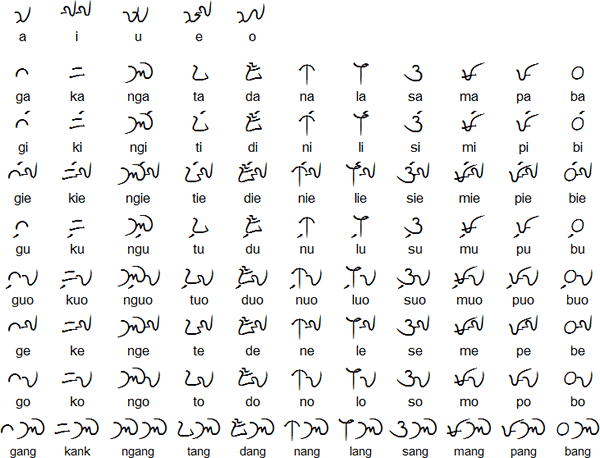
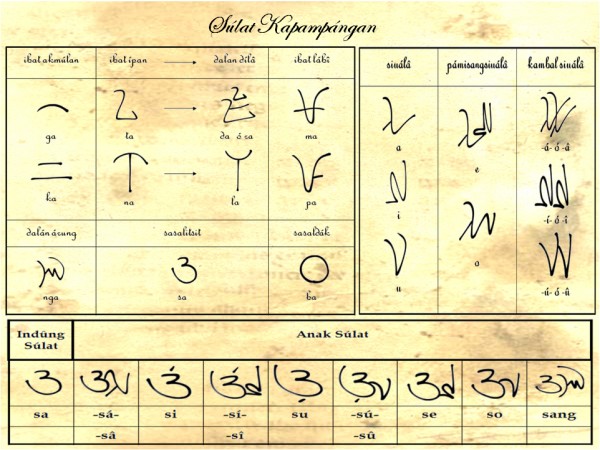
The indigenous Kapampangan script is termed as Kulitan, or Sulat Kapampangan. It is alphasyllabary, meaning diacritical marks alter the consonantal characters that have default vowel sounds. Early 17th and 18th-century Spanish lexicographers recorded these characters as culit, subsequently calling the whole system kulitan.
The system is essentially composed of Indung Sulat and Anak Sulat, or the mother and offspring characters, respectively. Indung Sulat serves as the basis for Sulat Kapampangan. These are the base characters with inherent vowel sounds that are unaltered. Anak Sulat is formed by altering these inherent vowel sounds through a diacritical mark or ligature.
Its origins are uncertain, as it has a striking resemblance to Kawi and other Southeast Asian Indic scripts.
Though its usage declined over the decades, a group of writers established Aguman Sulat Kapampangan in 2008 to keep the language alive and promote its teaching as well. They are Eliver Sicat, John Balatbat, Max Rosales and Bruno Tiotuico.
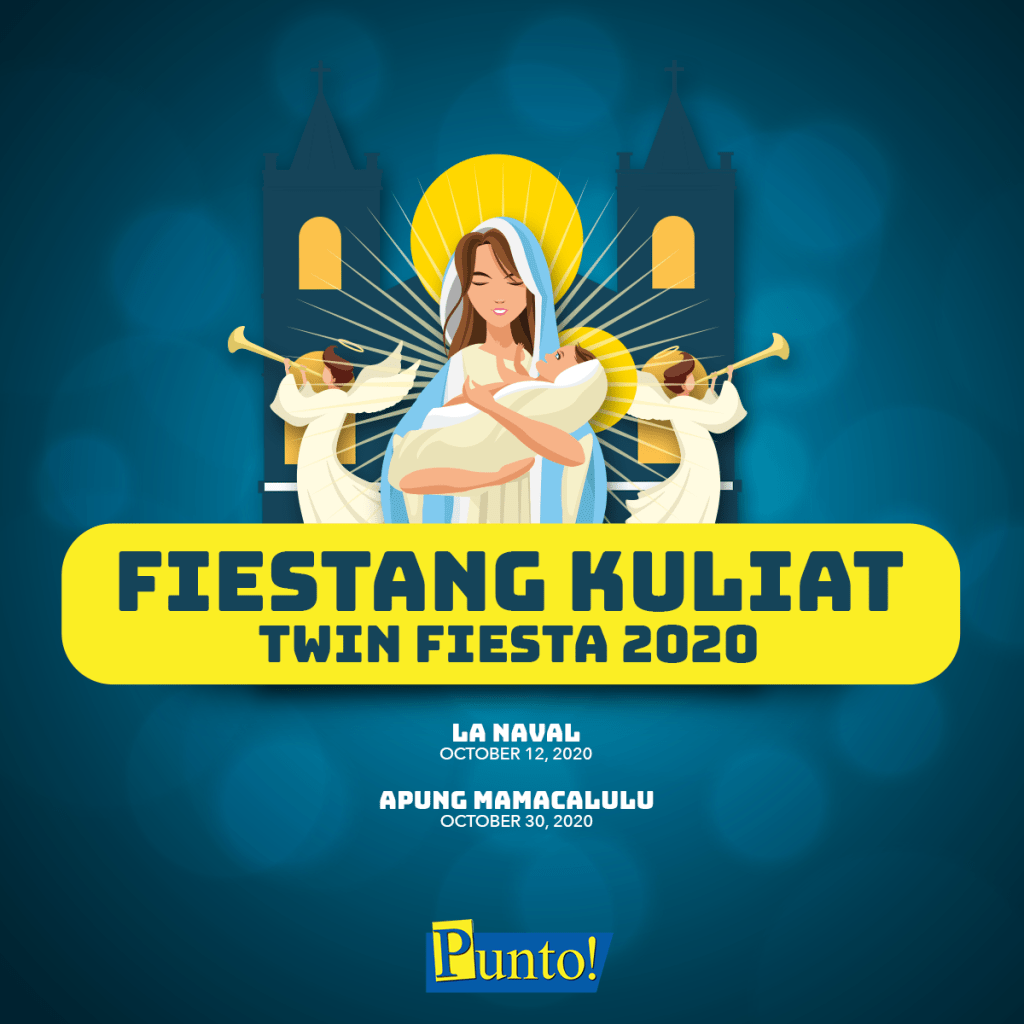
Though Angeles City boasts many authentic and unique traditions, one particular fiesta stands out as one of the most awaited and anticipated celebration among the citizens, Fiestang Kuliat.
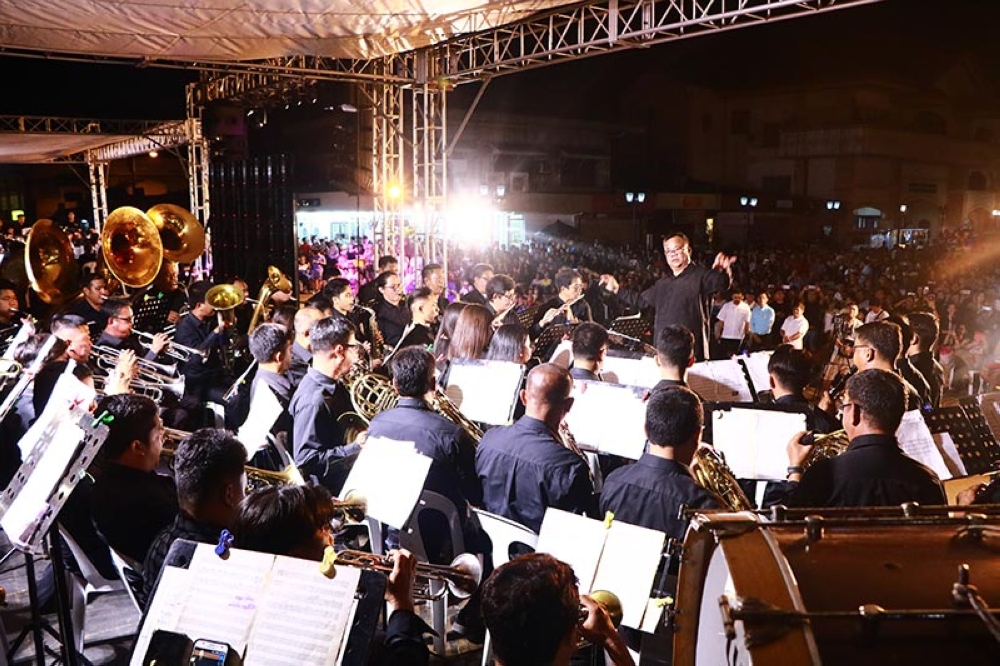
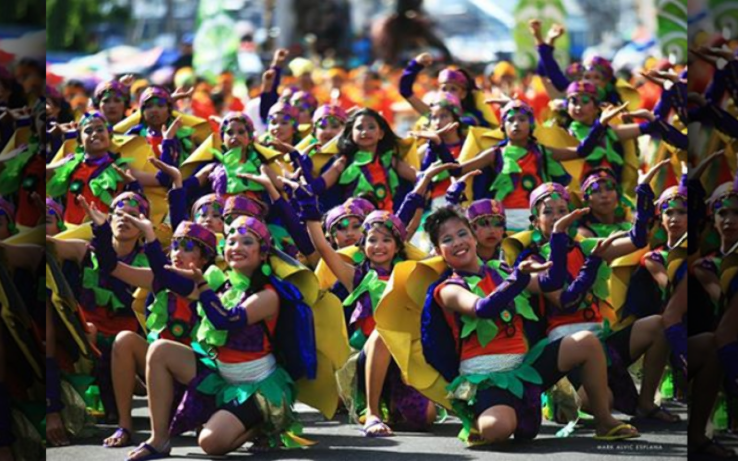
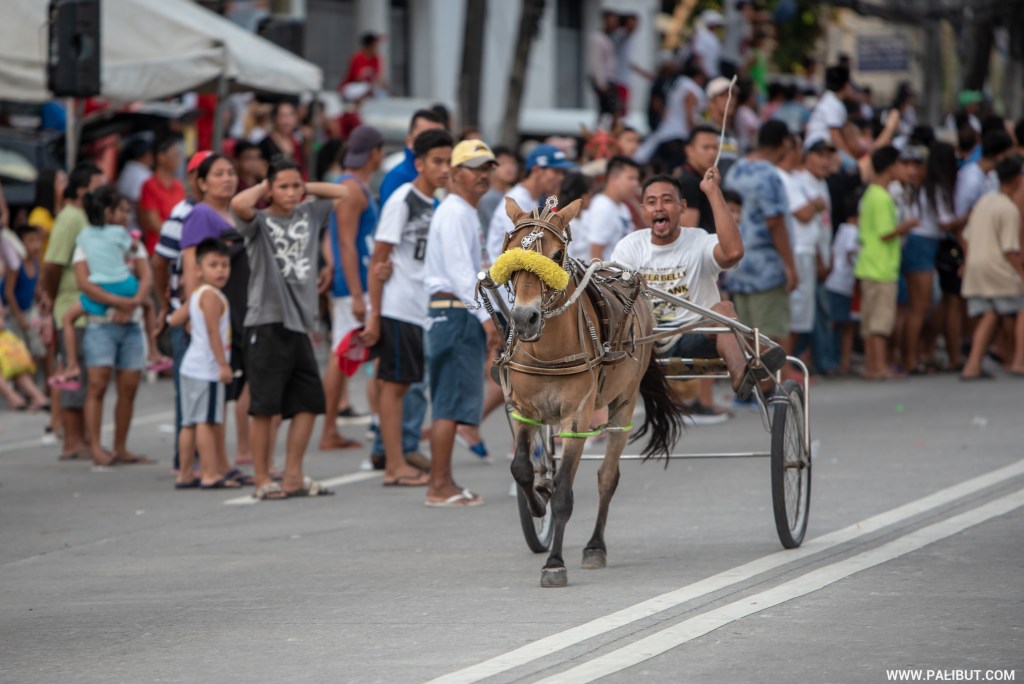
Known as the longest fiesta in the country, it runs through the whole month of October, and contains four big events, along with numerous street parties, pageants, and traditional festivities.
Established by the local government in 1992, Fiestang Kuliat is meant to honor the city’s patron saints, preserve local culture, and celebrate the Kapampangan’s resiliency after the disastrous Mount Pinatubo eruption in 1991.
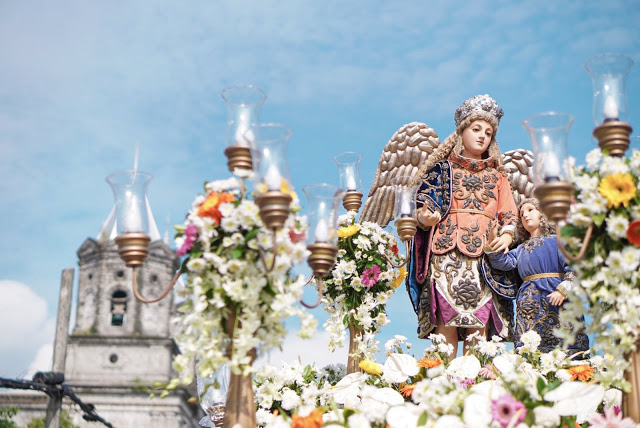
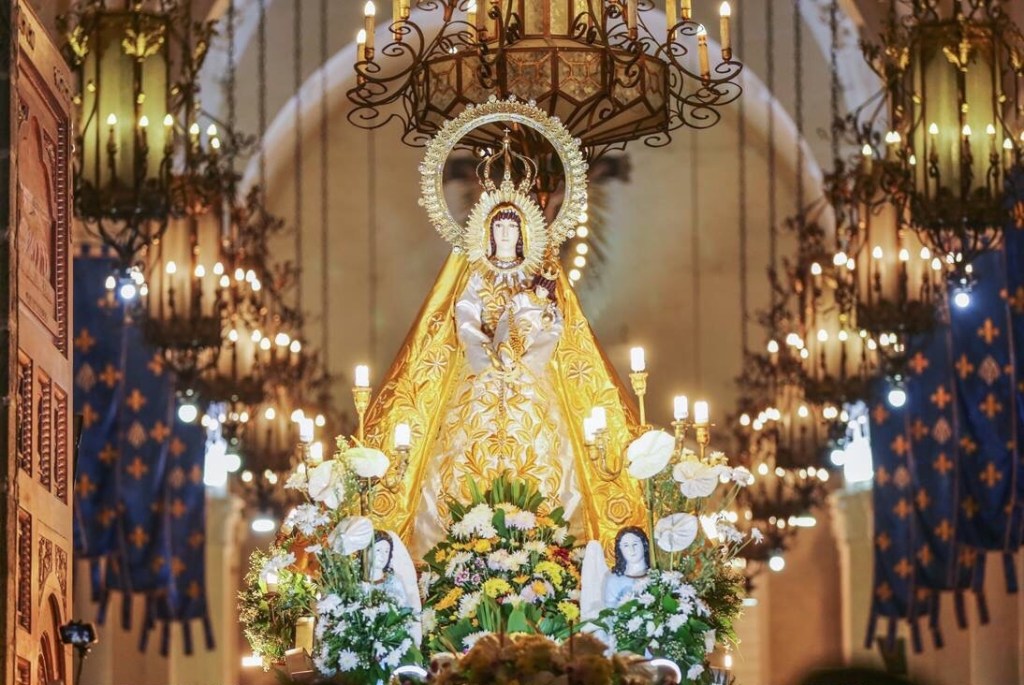
A unique feature of Fiestang Kuliat is the celebration of three feast days, marking three of the fiesta’s four big events. These are the Feast of the Holy Guardian Angels, La Naval Festival, and the Fiestang Apo, celebrated every first week, second Sunday, and last Friday of October respectively. Citizens witness the procession of images along Angeles’ streets during those days, accompanied with several masses in the city’s churches. A wondrous, religious, and bountiful celebration of feast days, indeed!
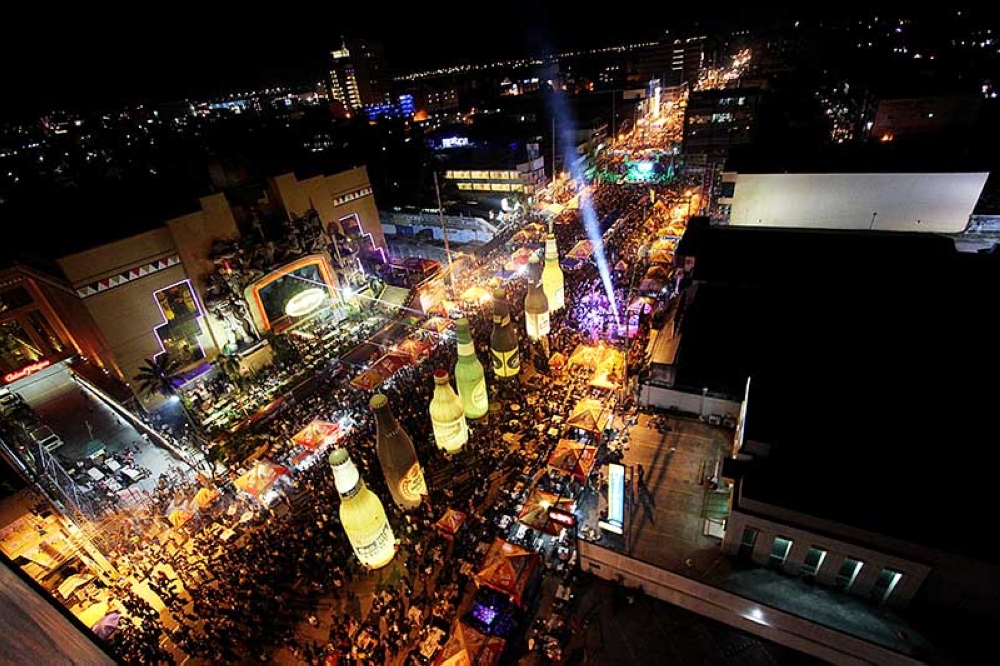
The fourth big event is the Tigtigan Terakan King Dalan (TTKD), established by City Mayor Edgardo Pamintuan in the 90’s. It is held every third weekend of October. Considered as the Angeles’ version of Mardi Gras and Oktoberfest by the locals, it is characterized by two nights of endless music, drinks, and dancing along the stretch of Barangay Balibago.
“I would want TTKD to be remembered not just an ordinary street party but an opportune time for us Angeleños to remember our struggles during the Mt. Pinatubo eruption and how we were able to bounce back to progress.”
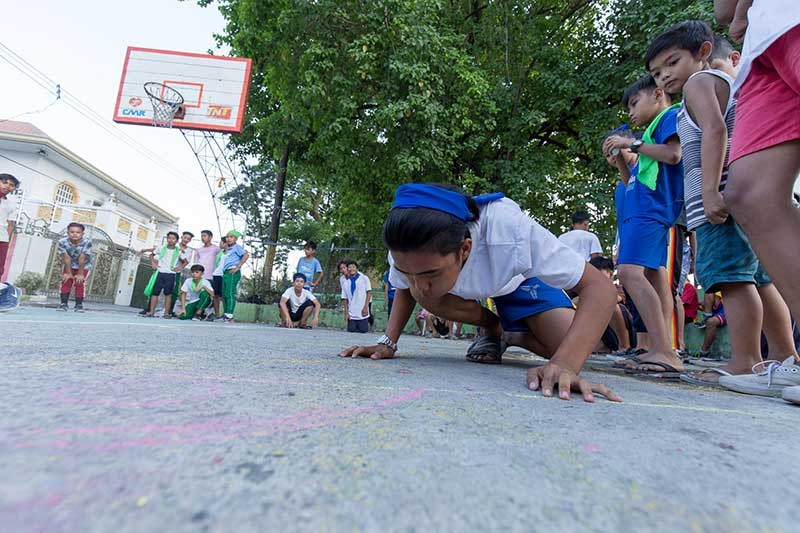
Other than the four events, numerous cultural activities occur as well, such as Kundiman presentations, sport events that showcase Kapampangan traditional games (Mamialung Tamu), indigenous peoples festival, and food festivals that feature Kapampangan food like sisig, buro, and tibuk-tibuk.
The yearly celebration of this festival has significant religious and historical relevance for the city, a testament to its founding by Don Angel Pantaleon de Miranda and Dona Rosalia de Jesus. If you find yourself in Angeles City around October, be sure to look out for the distinguished events and activities and have fun!
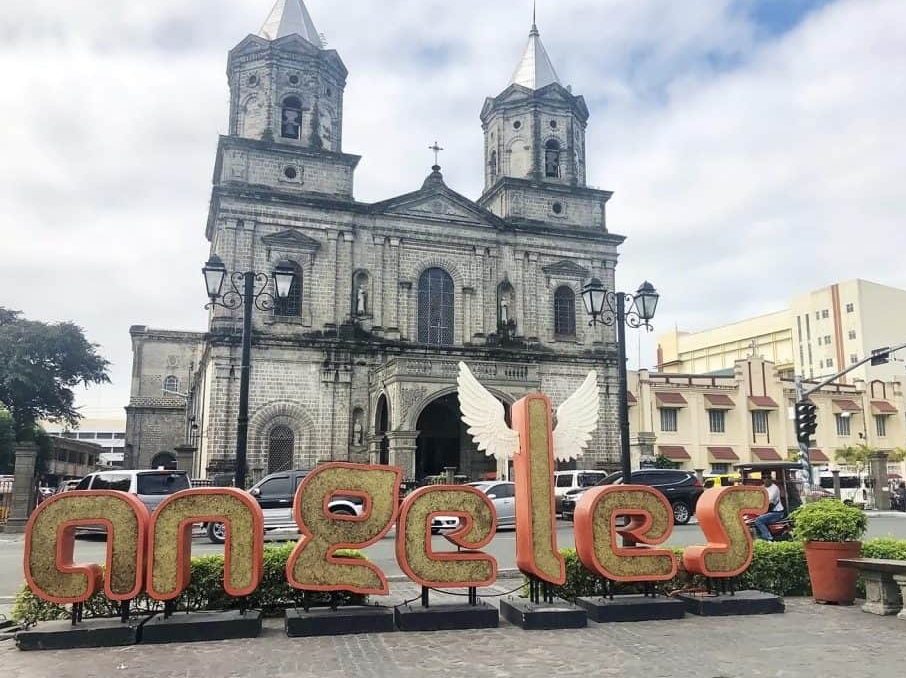
Being a religious city, there is no shortage of churches. However, one stands out as a revered site and is visited by many who come into the area. Behold, the Holy Rosary Parish.
Holy Rosary Parish Church
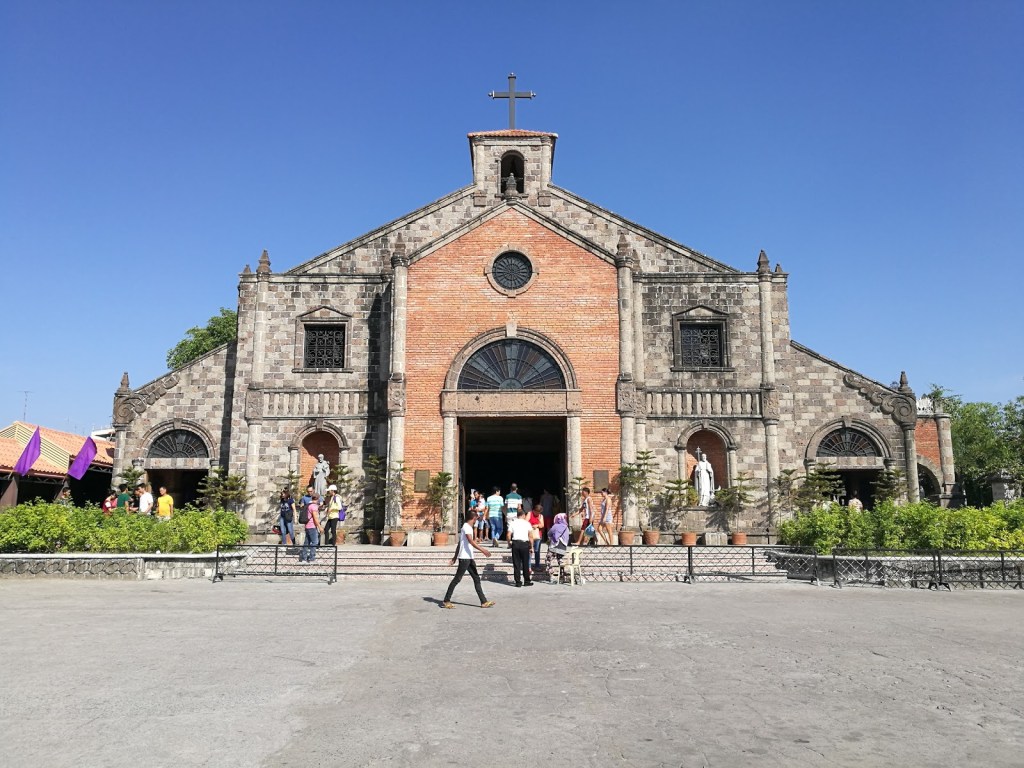
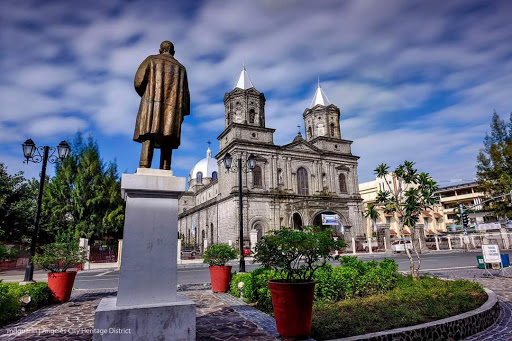
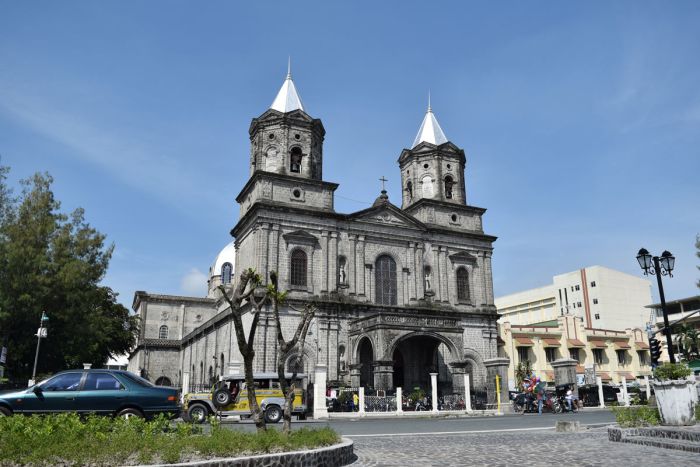
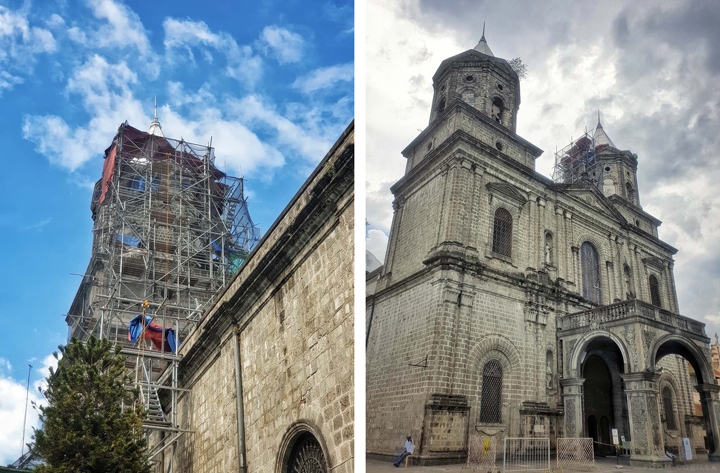
Holy Rosary Parish Church, as seen from Museo ning Angeles.(DestiMap, n.d.).
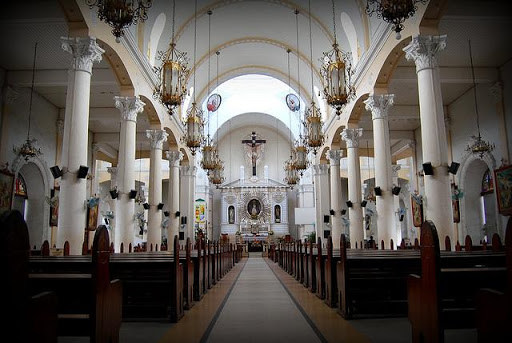
The Holy Rosary Parish, also known as Santo Rosario Church, currently regarded by the locals as “Pisambang Maragul” (“Big Church”), is found in the very center of Angeles City, in Barangay Santo Rosario. Recently recognized by the National Commission for Culture and the Arts as a national historical site, the church stands proudly as one of the most remarkable sites to visit in the city.
The founding families of Angeles City, led by Don Mariano V. Henson, commissioned city planners in the Spanish colonial area and first laid out the church’s foundations on October 18, 1877. It stands as one of the most distinctive landmarks of the city today because of its historical significance relating to how it was built. The church was constructed from 1877 to 1896 by the “Polo y Servicio” labor system, defined as the forced and unpaid labor of the Filipino native people for 40 days per year to all males from 16–65 years old by the Spanish colonial government.
Sadly, the occurrence of a 6.1 magnitude earthquake last April 22, 2019, left deep cracks on the church’s walls and ceiling, exposing its poor, deteriorating conditions. The church then partnered with Escuela Taller to conserve and restore Holy Rosary Parish to its former glory.
Angeles City possesses many admirable tourist spots. Guaranteed, one will not run out of destinations to visit when touring around the city. We’ll be focusing on one of the must-see sites, the Museo ning Angeles.
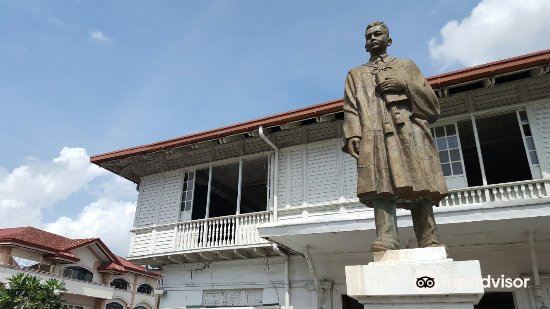
The Museo ning Angeles (Kapampangan for “Museum of Angeles”) may be found across the Holy Rosary Parish Church, just next to the Barangay Hall. It is run by the Kuliat Foundation Inc., a non-stock, non-profit organization, that depends solely on donations and income garnered from the city’s fiestas. They aim to preserve the history, culture, and traditions of Angeles City through various programs and projects that delve into their historical, economic, societal, and traditional aspects.
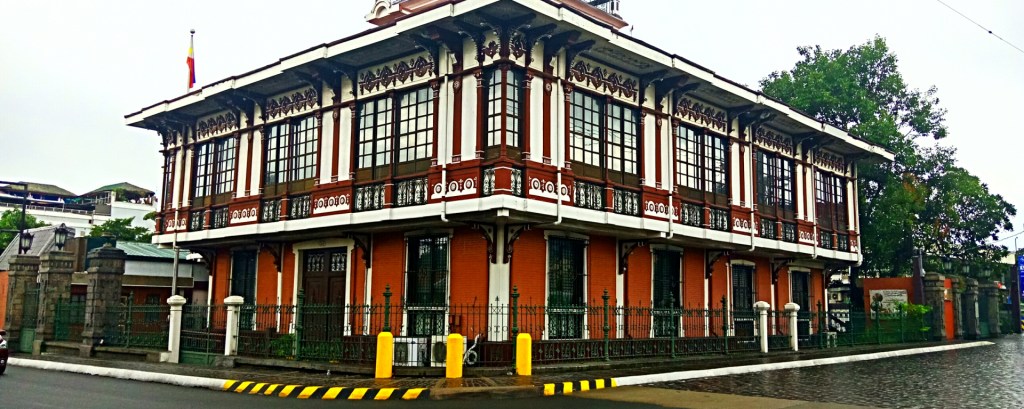
The site of the current Museo ning Angeles in Barangay Santo Rosario was formerly occupied by Angeles’ casa tribunal or courthouse during the Spanish colonial era, which was burned down in 1860. The present building was constructed in 1922 and served as Angeles’ Town Hall until 1998. The building was then repurposed as a museum in 1999 with the city jail and a police station converted to a museum office and souvenir shop.
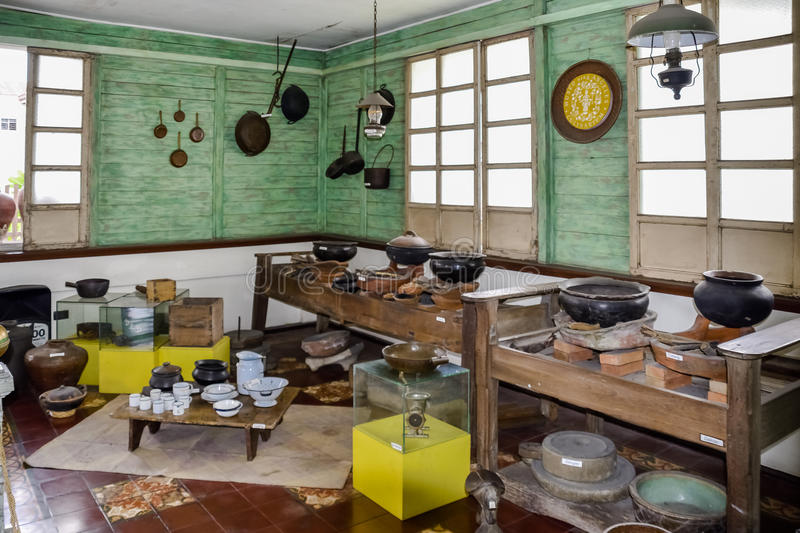
Walking through the museum’s first floor will provide a timeline of Angeles City, complete with historical events, dioramas of traditional life, and the evolution of the city and its people. The second floor boasts a culinary exhibit that showcases the delicacies and traditional cuisine of the Kapampangans. During specific occasions, a culinary master will be available and dishes may be ordered on-site.
If you find yourself in the area of Santo Rosario, Angeles City, be sure to pay the museum a visit to learn of the city’s traditions, history, and culture.
Resiliency of Angeles: Surviving Not Just War But Also Calamities
Throughout its history, Angeles has survived not only wars, but also natural disasters of different kinds. A powerful typhoon struck on October 7, 1871, destroying hundreds of houses as well as thousands of colorful lanterns and paper castles designed for the “La Naval” and “Fiesta ng Apo” feasts.
The town was hit by an influenza outbreak in 1918, which claimed many lives. The deceased were allegedly dumped on carts and buried en masse while the plague took lives by the minute.
The town also experienced a locust infestation in 1939, along with the rest of Pampanga, and a series of conflagrations that destroyed the public market, the worst and costly of which was on January 19, 1982, when more than P20 million worth of property was lost and the latest at the year 2001.
After 40 days of torrential rainfall, the entire province of Pampanga was submerged in a deluge of biblical proportions in 1972. While Angeles City, which is located at a comparatively high elevation, was spared, property was destroyed when raging rainwaters scoured the banks of the Abacan River and the Sapang Balen Creek, taking down both private and public facilities and infrastructures like houses, bridges, different building and many more.
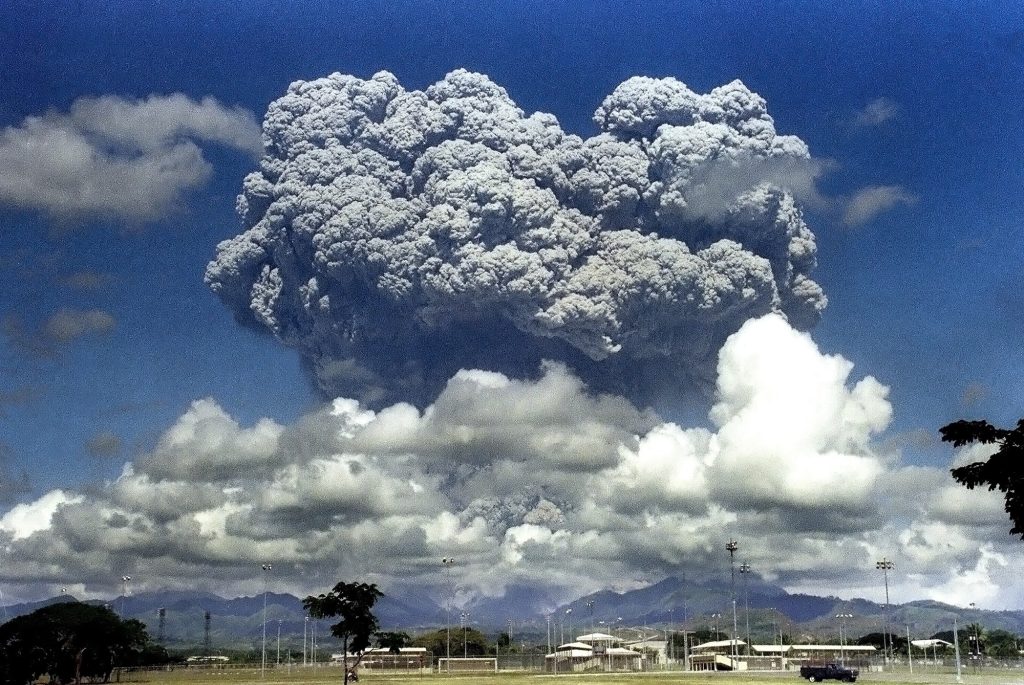
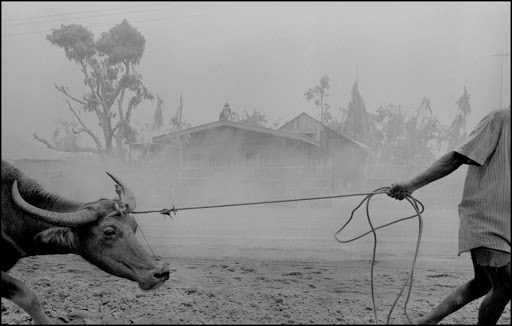
The endurance of the Angeleños was tested once more in 1991, when Mount Pinatubo erupted. The beautiful mushroom-like ash cloud it spewed on June 12, 1991 overshadowed the impending doom. On June 15, the Angeleños experienced their deadliest eruption in living memory. This marked a turning point in the city’s past that will live on in the minds of all Angeleños for the rest of their lives during that time.
Mushroom Cloud from Mt. Pinatubo Eruption, taken by Naeg, 1991. (Klemetti, 2016).
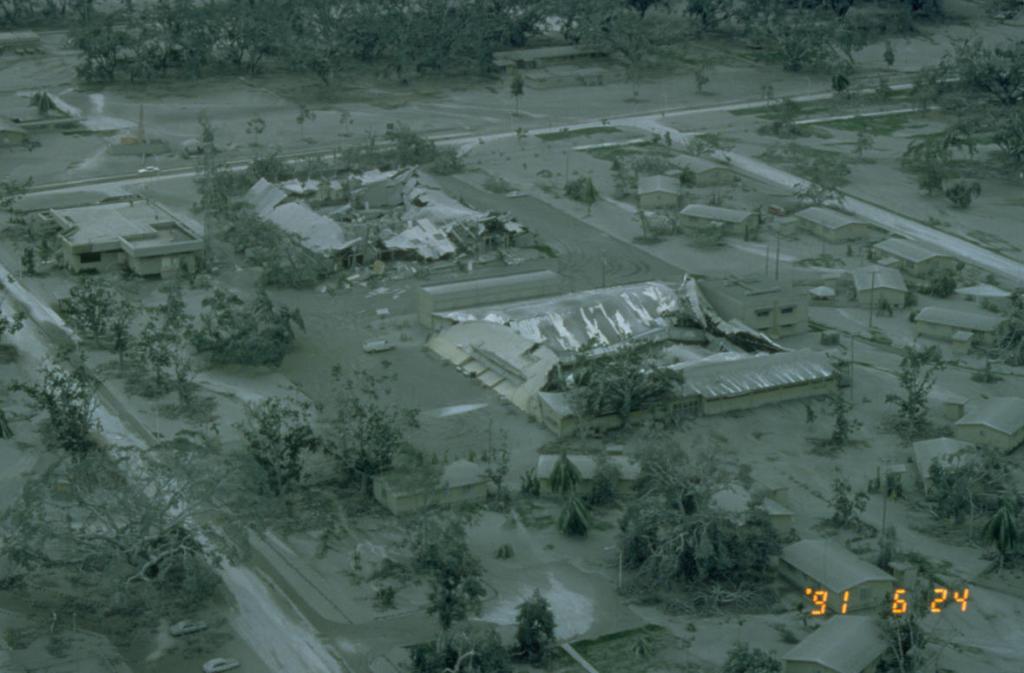
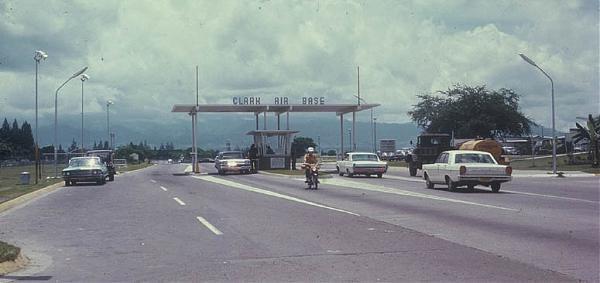
When Mt. Pinatubo exploded on June 12 and 15, 1991, it caused chaos and devastation on Angeles. The major eruption of the volcano, followed by intense ashfalls and mudflows, devastated homes, killed people, and displaced thousands of people. It also took a toll on Clark Air Base, reducing its utility to the point that the US Air Force had to abandon the base and and ending the US military presence in the city until the Philippine-American Military Bases Agreement was revoked.
Clark Air Base submerged in Volcanic Ash. (USGS, 2016).
For a while, Angeles’ economy experienced a recession, as it is common for any place to lose vibrancy after a disaster. However, this did not last long, as soon as the city was rebuilt and Clark was revived by the national government, this time as an industrial region, the city’s luster returned. However, despite having already seen turmoil, the city continues to face development and time problems. How it responds to these issues will determine the future of the city and its people, as well as how they will do in today’s globalized world.
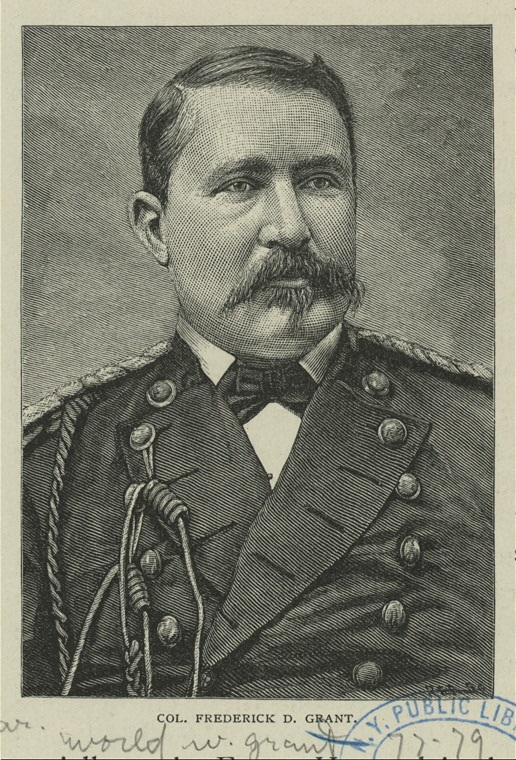
General Frederick D. Grant formed the first United States Civil Government in Angeles in January 1900 by naming an alcalde, or local mayor. This marked the beginning of the American presence in Angeles, which was highlighted by the presence of US armed forces in the city from 1902 to 1991.
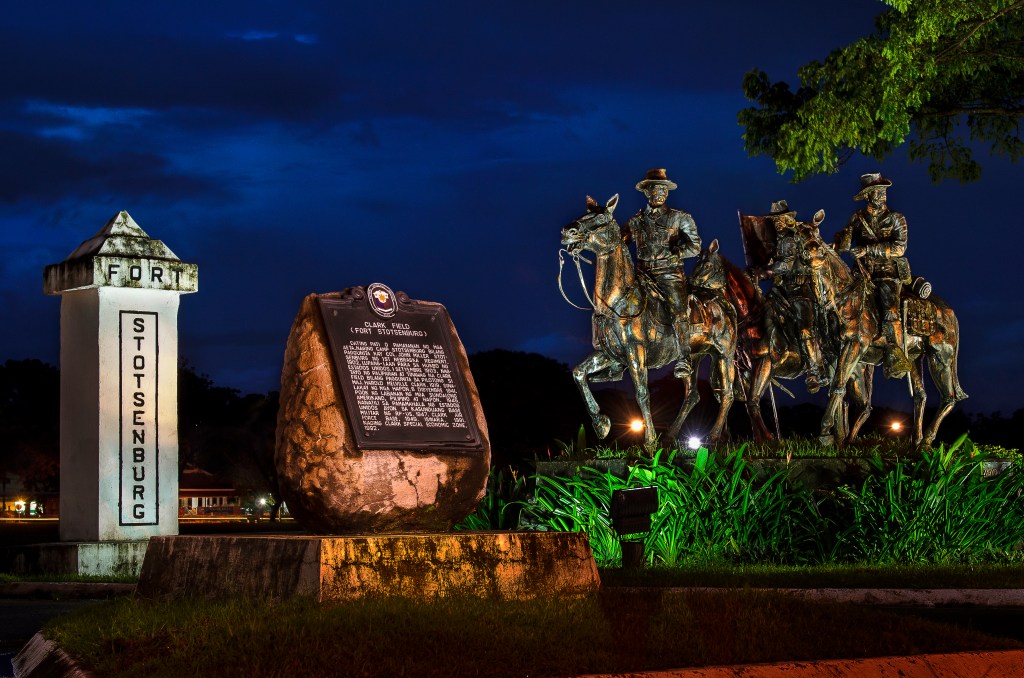
The first U.S. Army camp was founded in Barrio Talimundoc (now Lourdes Sur). This lasted about a year, until United States President Theodore Roosevelt signed an executive order designating 7,700 acres (31 square kilometers) of land in Barrio Sapang Bato as Fort Stotsenberg. In 1908, the land area was expanded to 156,204 acres (632.14 sq km) to become Clark Air Base. War planes (DH4s) flew over Angeles for the first time in 1919 from the Clark airfield.
Due to the base’s presence, Angeles was subjected to one of World War II’s most devastating air raids, according to historians. Japanese warplanes bombed Clark Field and Angeles on December 8, 1941, killing almost all American warplanes and crippling America’s air force in the Far East. With American military strength weakened, Japanese forces landed in Angeles early on New Year’s Day 1942, occupied the city for three years until January 1945, and seized possession of Fort Stotsenberg. On April 10, 1942, Filipino and American soldiers on their way to the concentration camp in O’Donell, Capas, Tarlac moved through Angeles.
Post-War Period of Angeles
Following World War II and the declaration of Philippine independence on July 4, 1946, the Philippine-American Military Bases Agreement was concluded on March 14, 1947, authorizing the United States to keep Clark Air Base and Subic Naval Base for the next 44 years. Clark serves as the tactical operating U.S. military base, which currently covers 63,103 hectares. This was the only air force base then in Southeast Asia with the ability to accommodate all US military transport planes servicing the Western Pacific. As a result of Clark’s revival, Angeles became home to a larger colony of expatriates, with many Americans settling in the area, especially in the Balibago district.
After the war, Angeles reached new heights as a city. Then, thanks to the efforts of then-Mayor Rafael del Rosario, it was chartered as a city on January 1, 1964, under Republic Act 3700. Attorney Enrique Tayag, an influential citizen of the region, supported him in the preparation of the City Charter, while Congresswoman Juanita L. Nepomuceno of Pampanga’s first district introduced the bill in Congress, which was endorsed by then-President Diosdado Macapagal, a native of the province of Pampanga. Mayor Rafael del Rosario is the last municipal mayor of Angeles and the area’s first mayor after it became a city.
The City of Angeles begun in the clearing of a forested area in the northern region of San Fernando, led in 1796 by the group supported by then Capitan of San Fernando, Don Ángel Pantaleón de Miranda, and his wife Dona Rosalia de Miranda. The ample, woody vine area in those days was considered a part of San Fernando as a barrio (now barangay), aptly named Culiat, until the 8th of December, 1829.
Through Don Angel’s payment of the amount authorized by law to stand alone as local parties, it was possible to separate Culiat politically. The payment was necessary since the legislation then demands that at least 500 taxpayers be located in the neighborhood until they are able to enter into a separate municipality. Culiat had only 160 taxpayers at the time.
In 1812, 1822, and 1828, demands were already made even before the political division of Culiat, but all of these were refused because the separation would cut the tax collected by San Fernando. In 1829, Don Angel made a fourth petition along with Dr. Mariano Henson, his son-in-law, and Don Severino Hens, his father.
In honor of his patron saints, the Holy Guardian Angels, and the founder, Don Angeles, Culiat was called “The Pueblo de Los Angeles.” When Angeles issued its first municipal charter, it had a population of 661, with 151 houses and an area of 38.65 sq. km. The previous communities of Cutcut, Pampang, Pulung Anunas, San Nicolas, San Jose, and Amsic were in Sto. Rosario.
Philippine Government’s Seat
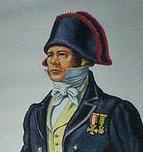
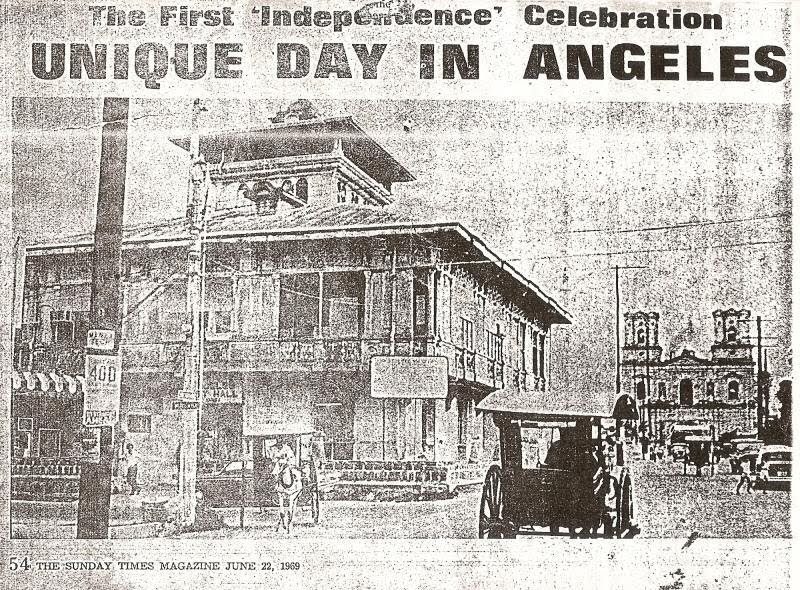
In 1899, Angeles became notable as General Emilio Aguinaldo made it the seat of the Philippine government. The Philippine Independence’s first anniversary was celebrated in this very city after its declaration in Kawit, Cavite the year prior. This was marked by a parade, led by the youngest Filipino generals of the time, Gregorio del Pilar and Manuel Tinio, overseen by General Aguinaldo from the Pamintuan’s Mansion. From May to July 1899, this served as the Presidential Palace. This short span was due to American occupation, and General Aguinaldo had to relocate the government to Tarlac.








 Angeles City: Home of Guardian Angels